
How to Find Quartz Veins and Gold Deposits
Introduction to How to Find Quartz Veins:
Searching for gold veins in quartz can lead you to some of the richest gold deposits in the world. With the right tools, geological knowledge, and a strategic approach, you can uncover valuable gold hidden in hard rock formations. This guide will show you how to identify gold-bearing quartz veins, recognize key geological indicators, and use proven field techniques to boost your chances of success.
1. Understand How to Find Quartz Veins
Gold veins typically form in quartz or other hard rock through hydrothermal processes. Hot, mineral-rich fluids move through cracks in the Earth’s crust, and as they cool, they deposit gold and other minerals into these fractures. These quartz veins can range from hairline streaks to massive structures several meters wide. Learning How to Find Quartz Veins means learning how these veins form—and where they’re most likely to appear.
2. Recognize Geological Indicators of Gold
To improve your success, start by scanning the terrain for these proven indicators:
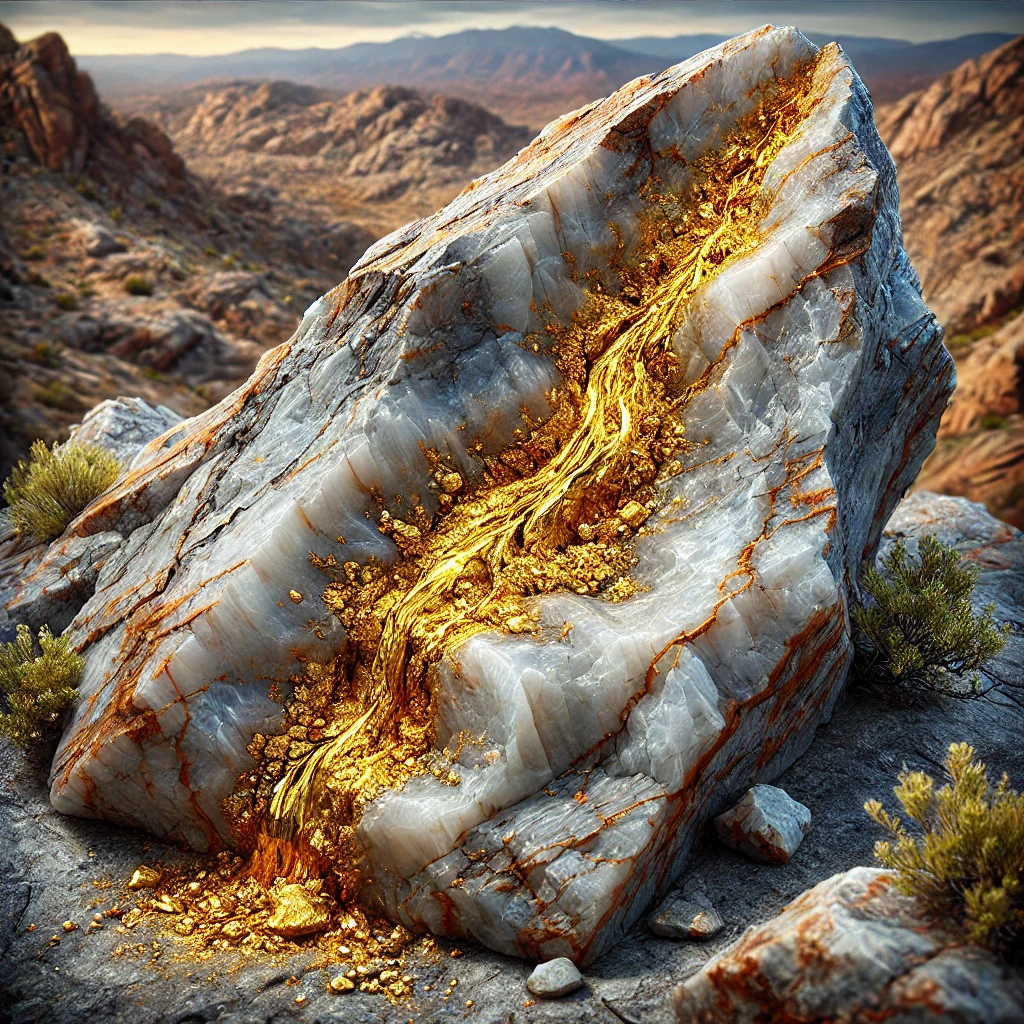
- Quartz Veins: Look for milky white or glassy quartz, often with visible metallic flecks. Gold commonly associates with quartz.
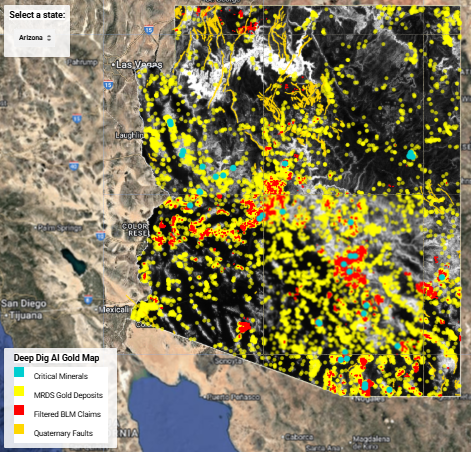
- Fault Zones: Study geological maps for fault lines or fracture zones—natural pathways for gold-bearing fluids.
- Greenstone Belts: These ancient metamorphic rock zones often contain significant gold deposits, especially in historically active mining regions.
- Alteration Zones: Look for iron staining or rusty rocks, which signal chemical alteration from hydrothermal activity—often a sign of gold nearby.
3. Use the Right Tools and Techniques
Effective prospecting for quartz veins begins with preparation. Equip yourself with:
- Geological Maps: Use USGS maps and historical mining records to target known gold-producing districts.
- Rock Hammer & Chisel: Break open exposed quartz veins to inspect for gold or pyrite (a potential gold indicator).
- Metal Detector: Scan rocky areas for gold-rich ore beneath the surface. Use a detector rated for mineralized ground.
- Sample and Assay: Collect rock samples and send them to a lab for gold content testing before committing to a full dig.
4. Explore the Field with a Strategy
When you reach a prospective location, follow these step-by-step exploration techniques:
- Visually Inspect: Search for quartz outcrops, color changes, and signs of iron staining.
- Pan or Sluice Nearby Streams: Gold in the water may point to a source vein uphill.
- Break and Examine Rock: Look for shiny particles or mineralized zones inside the quartz.
- Sweep with Metal Detector: Identify metallic targets near outcrops or where quartz meets bedrock.
5. Record and Claim Your Discovery
Once you locate a promising quartz vein with gold potential, take the next steps:
- Document Everything: Record GPS coordinates, take photographs, and keep detailed field notes.
- Stake a Mining Claim: If you’re on public land, file a claim with the Bureau of Land Management (BLM). This includes marking your claim, submitting location data, and paying required fees.
- Expand Exploration: Perform trenching or shallow drilling to understand the size and richness of the gold deposit.
Conclusion to How to Find Quartz Veins
Learning how to find quartz veins is a vital skill for any serious gold prospector. By understanding the geological signs, using the right tools, and following a proven exploration method, you dramatically increase your odds of discovering a valuable gold deposit. Always prospect responsibly, follow local regulations, and stay safe in the field.
← Back to Aurummeum Gold Resources
Watch the full video tutorial here: YouTube – How to Find Quartz Veins
About the Author