

Description
How to Find Eco-Friendly Gold in the Desert 2025
How to find eco-friendly gold in the desert 2025 is about using low-impact methods while still targeting the same real geological traps that concentrate gold. In other words, you can prospect responsibly by choosing the right ground, minimizing disturbance, and leaving the area cleaner than you found it.
Outbound research links:
BLM •
USGS •
USGS MRDS •
Mindat
What “Eco-Friendly Desert Gold” Means in 2025
“Eco-friendly” prospecting means you reduce impact without pretending gold isn’t tied to real geology. Therefore, you focus on precise sampling, small-footprint digging, careful backfilling, and proper trash removal. Additionally, you verify land status, access rules, and claim information before you work a site. This approach protects the land, helps keep public access open, and builds a better reputation for modern prospectors.
Step 1: Choose Low-Impact Targets First
Start with targets that let you test quickly without tearing up an area. For example, detecting on exposed surfaces, sampling shallow dry-wash traps, and checking bench gravels can provide fast feedback. As a result, you avoid large trenches and instead follow the evidence. If you get a positive sample, then tighten your pattern and work only the smallest area needed.
Low-impact desert targets that still produce
- Dry wash inside bends, pinch points, and confluences (small test holes)
- Exposed bedrock cracks and “steps” (minimal disturbance)
- Bench gravels and old channel remnants above modern washes
- Surface float and shallow lode clues uphill (mapping and spotting first)
Step 2: Use a “Test → Confirm → Recover” Method
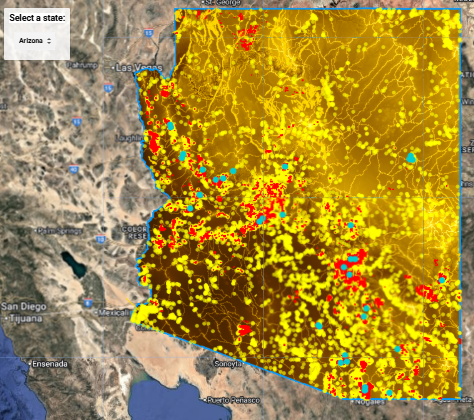
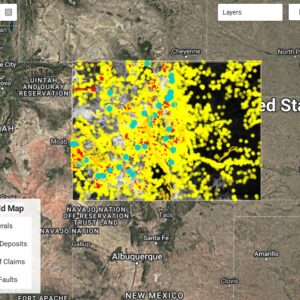
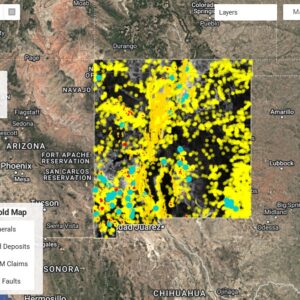
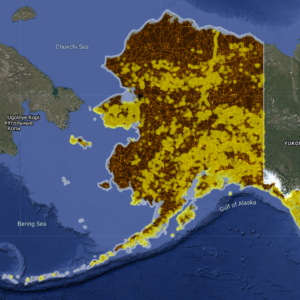
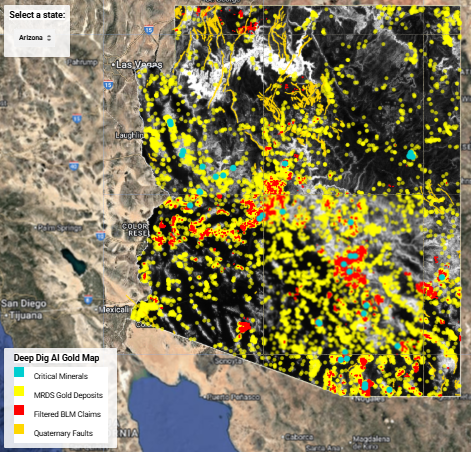
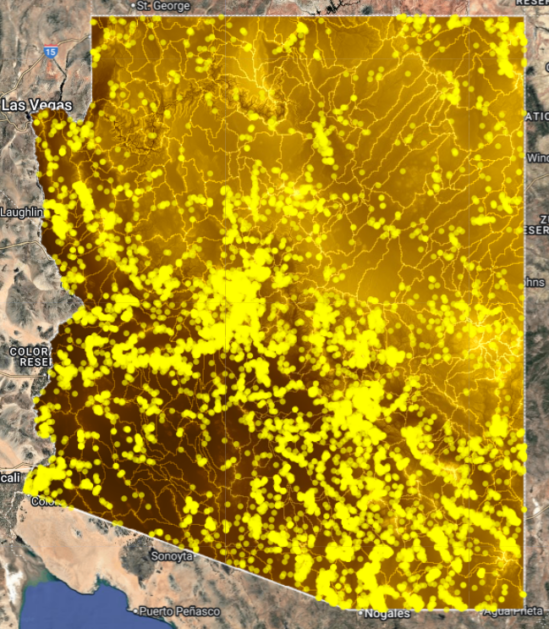
Instead of expanding the dig, scale your effort based on proof. First, test several small points. Next, confirm with a tighter spacing line. Then, recover only where results stack up. Consequently, you limit disturbance and still get better gold outcomes. This is also where maps help: use AI Gold Maps to prioritize structures and basins, and use Gold Geology Videos to understand why a trap works.
Step 3: Finish Clean (This Is the Real “Eco” Part)
Backfill every hole, match the surface as closely as possible, and pack it down. In addition, remove trash you find—yours and what others left behind. Finally, photograph your finished spot if you want a simple personal “accountability record.” Ultimately, how to find eco-friendly gold in the desert 2025 is a mindset plus a method: respect the land, follow the geology, and recover gold with precision rather than destruction.




Reviews
There are no reviews yet.